Restoration Devoid of Damage: Natural Approaches to Suffering Relief
Discomfort is an fundamental part of the human experience, often serving as a signal that something else is wrong within our systems. Nonetheless, for many people, pain can become a chronic condition that considerably impacts quality of life. Understanding pain management is essential for those who seek to alleviate discomfort and enhance their well-being. This article investigates various pain management services and therapies, offering a comprehensive guide to natural strategies that prioritize healing without risk.
From the differences between acute and chronic pain to the most effective therapies available, we examine the intricate relationship between pain and treatment. Whether you are seeking strategies to manage arthritis pain or looking for holistic methods like yoga and mindfulness, there are various options to consider. This journey into the world of pain management will not only equip you with insight about effective treatments but also provide perspectives into how personal adjustments and alternative therapies can lead to lasting comfort.
Grasping Pain Management
Pain management is an essential aspect of healthcare that concentrates on reducing pain and enhancing the living experience for people suffering from different conditions. It includes a wide range of methods aimed at offering easing from acute and chronic pain. By addressing both bodily and emotional components, efficient pain management enables individuals to engage more fully in their daily activities, enhancing overall quality of life.
There are numerous different types of pain, and each needs a tailored approach for effective management. Acute pain often arises from trauma or operations and is typically brief, while chronic pain persists for an extended period, often exceeding the normal healing process. Grasping the nature of pain is crucial in developing a comprehensive treatment plan that may consist of therapies such as physical therapy, chiropractic care, and alternative treatments.
Pain management clinics play a pivotal role in guiding patients through their pain experiences. These specialized services provide integrated approaches, merging medical, physical, and psychological interventions. By using various techniques, healthcare providers can support patients attain relief and teach them how to manage their pain efficiently, fostering a greater sense of control and enhanced quality of life.
Natural Methods for Pain Management
Natural therapies for pain management offer a holistic approach that supports traditional medical treatments. Practices such as acupuncture, manual therapy, and chiropractic care have gained popularity as effective means to treat pain without relying on pharmaceuticals. This technique, rooted in traditional Chinese medicine, involves the placement of fine needles into targeted points on the body to enhance energy flow and promote healing. Many patients find relief from multiple conditions, including headaches and back pain, through this method.
Manual therapy, another essential part of alternative pain management, works by targeting tightness and improving circulation. By using his response as therapeutic, relaxation, or trigger point massage, therapists can alleviate discomfort associated with chronic conditions like fibromyalgia and joint pain. Regular appointments can contribute to sustained comfort and enhance overall health, providing a gentle alternative to more invasive treatments.
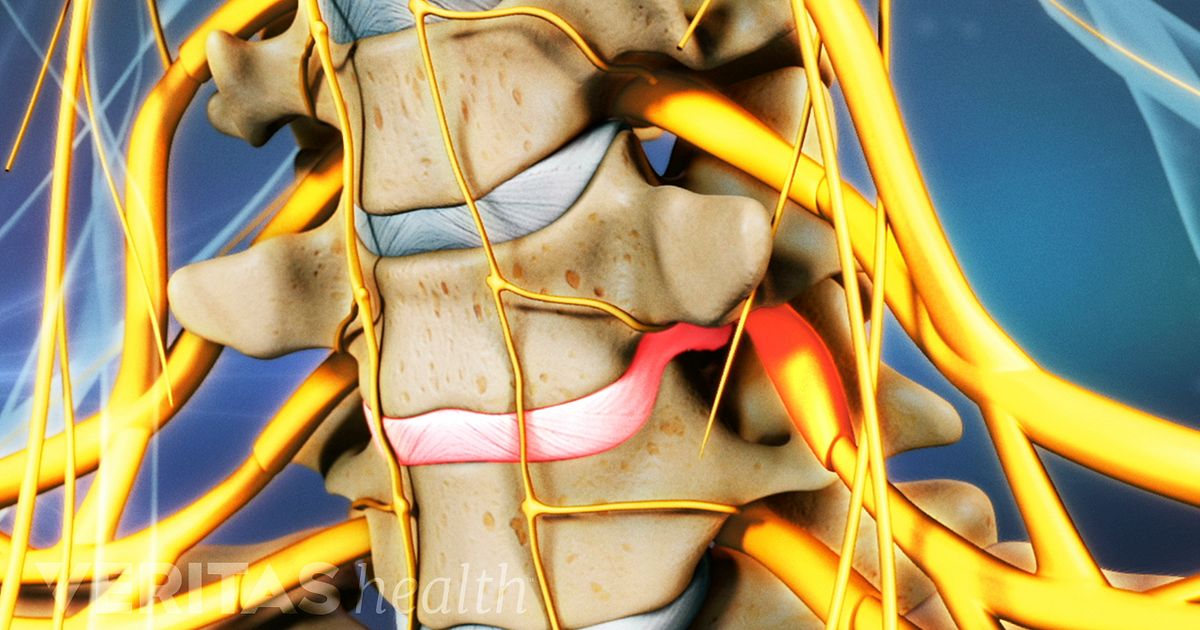
Spinal therapy focuses on identifying and treating structural disorders, particularly spinal alignment issues. Chiropractors use manual adjustments to correct misalignments, which can relieve tension on neural pathways and improve mobility. This therapy can be especially helpful for individuals suffering from lumbar issues or nerve pain. By addressing the root cause of discomfort, chiropractic care not only reduces pain but also encourages long-term health and preventive care.
Lifestyle Modifications for Long-Term Pain
Making lifestyle modifications can greatly enhance the quality of life for individuals living with chronic pain. One of the highly effective adjustments involves adding consistent physical activity into everyday routines. Easy exercises such as strolling, swimming, or biking enhance flexibility, strengthen muscles, and release endorphins, which inherently help reduce pain. It's crucial to select activities that feel appealing and pleasant, as this increases the likelihood of adherence. Additionally, developing a structured fitness plan with the guidance of a healthcare professional can offer the necessary support to prevent further discomfort.
Nutritional changes also play a key role in handling chronic pain. Adopting an inflammation-reducing diet rich in fresh fruits, greens, healthy grains, and healthy fats can help reduce swelling throughout the body. Items like oily fish, seeds, and leafy greens provide vital nutrients that aid to pain relief. It is also important to limit processed items, refined sugars, and trans fats, which can exacerbate inflammation. Staying hydrated and paying attention to food sensitivities can further aid in lowering pain levels.
Lastly, focusing on mental health through stress management techniques is essential for those coping with chronic pain. Practices such as mindfulness meditation, yoga, and deep-breathing exercises can be beneficial in reducing stress and, therefore, pain sensation. Incorporating relaxation techniques into everyday routines can create a sense of control over pain and promote a more positive outlook. Maintaining a balanced lifestyle that includes adequate sleep, relationships, and enjoyable activities can help individuals manage their pain more efficiently and enhance overall health.